
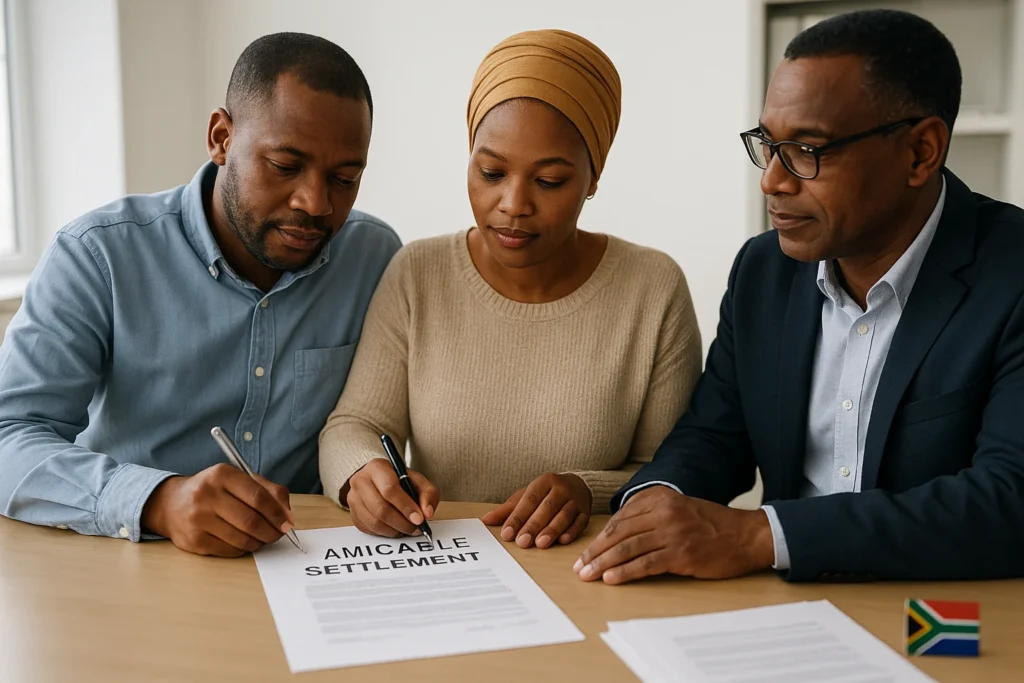
Uncontested divorce is often the quickest, least expensive route for couples in South Africa who agree on the key issues of separation, property division, child custody and maintenance. This guide answers the practical questions families and individuals ask most often and shows when to involve family lawyers, mediators or courts.
What is an uncontested divorce in South Africa?
An uncontested divorce in South Africa is a dissolution of marriage where both spouses agree on the main issues — that the marriage has irretrievably broken down, how to divide marital property, who will care for the children, and maintenance arrangements. The process is governed by the Divorce Act (no. 70 of 1979) and relevant rules of the High Court or Magistrates’ Court depending on your jurisdiction and complexity.
Because an uncontested divorce avoids adversarial litigation, it is often faster and less stressful for families. According to Wikipedia, the Divorce Act (1979) sets out the legal framework for divorce in South Africa. According to the Department of Justice and Constitutional Development, irretrievable breakdown is the primary ground for divorce, which parties must demonstrate in their papers.
Who qualifies for an uncontested divorce?
To qualify for an uncontested divorce in South Africa both spouses must: agree that the marriage has irretrievably broken down; consent to the division of assets (or have an existing ante-nuptial contract addressing property); agree on child care, contact and maintenance if children are involved; and be prepared to sign the papers or sworn affidavits required by the court.
Not every marriage qualifies. If there are unresolved disputes about whether the marriage has ended, hidden assets, or allegations of domestic violence, the matter may become contested. Family lawyers in South Africa routinely screen matters to confirm suitability for an uncontested process and suggest mediation or alternative dispute resolution when needed.
How do you start an uncontested divorce?
Starting an uncontested divorce typically requires these steps:
- Consultation with a family attorney to confirm eligibility and prepare documents.
- Drafting and signing a Notice of Motion and a combined set of affidavits setting out the parties’ agreement.
- Filing the papers at the appropriate Magistrate’s Court or High Court and setting a return date for the court to grant the order.
Many law firms and mediators in Durban and across South Africa offer fixed-fee packages and pre-drafting consultations. If you need guidance on starting, visit an established family law practice or get legal advice from a qualified attorney to make sure your rights and obligations are protected.

What documents are required for an uncontested divorce?
You will need several documents to file for an uncontested divorce. The essential documents are:
- Signed affidavit(s) from both spouses confirming irretrievable breakdown and the agreed arrangements.
- A draft settlement agreement covering property division, bank accounts, pensions (if applicable), and instalment arrangements.
- Parenting plan or parenting agreement addressing custody, care and contact, and child maintenance calculations.
- Supporting documentation such as marriage certificate, ID copies, and financial statements.
Where property is subject to an ante-nuptial contract, the matrimonial regime will determine treatment of assets. Conveyancing matters may need attention when property transfers or sales are agreed; consult conveyancing attorneys if your agreement requires title changes. For assistance on estate planning after divorce, consider an estate planning attorney to update wills and nominated beneficiaries.
How much does an uncontested divorce cost in South Africa?
Costs vary depending on complexity, whether there are children, and whether the matter goes to the High Court or Magistrate’s Court. Typical cost components include attorney fees, court filing fees, and professional fees for conveyancers or valuers if property must be transferred or divided.
Example cost breakdown (indicative only):
| Item | Range (ZAR) |
|---|---|
| Attorney drafting and filing | R5,000 – R20,000 |
| Court filing fee | R100 – R1,200 |
| Conveyancer (if property) | R5,000 – R30,000 |
| Mediation or family counselling | R500 – R5,000 per session |
According to family law practitioners, uncontested files cost significantly less than contested litigation because there is no trial, fewer court appearances, and limited discovery. For a simple uncontested divorce without property or children, many firms offer fixed-fee packages. If your case involves business issues, tax considerations, or cross-border assets, specialist legal advice is essential.
How long does an uncontested divorce take?
Timelines depend on court schedules and whether the agreement is complete. A straightforward uncontested divorce can be finalised in 4–12 weeks from filing in the Magistrate’s Court if documents are in order. More complex matters, or matters heard in the High Court, can take several months.
Quick timeline example:
- Week 1–2: Legal consultation and drafting of settlement documents.
- Week 3: Filing at court and serving papers if required.
- Week 4–8: Return date and formal granting of the order (may vary by court backlog).
According to the Department of Justice, court backlogs and regional differences will affect timing. For families looking for faster resolution, mediation and pre-court settlement discussions are recommended because they reduce the number of hearings required.
How are children, custody and maintenance handled in an uncontested divorce?
Child welfare is the court’s primary concern. In an uncontested divorce parents should present a clear parenting plan addressing day-to-day care, contact schedules, school and medical decisions, and a maintenance scheme. If both parents agree, the court usually accepts the parenting plan provided it is in the best interests of the child.
Child maintenance calculations will consider each parent’s income, reasonable expenses for the child, and existing support obligations. Where parents cannot agree on figures, the court may order a maintenance calculation or refer the case to the Maintenance Court for further assistance. Family lawyers and child custody specialists in South Africa can draft robust agreements that reduce future disputes.

How does property division work in an uncontested divorce?
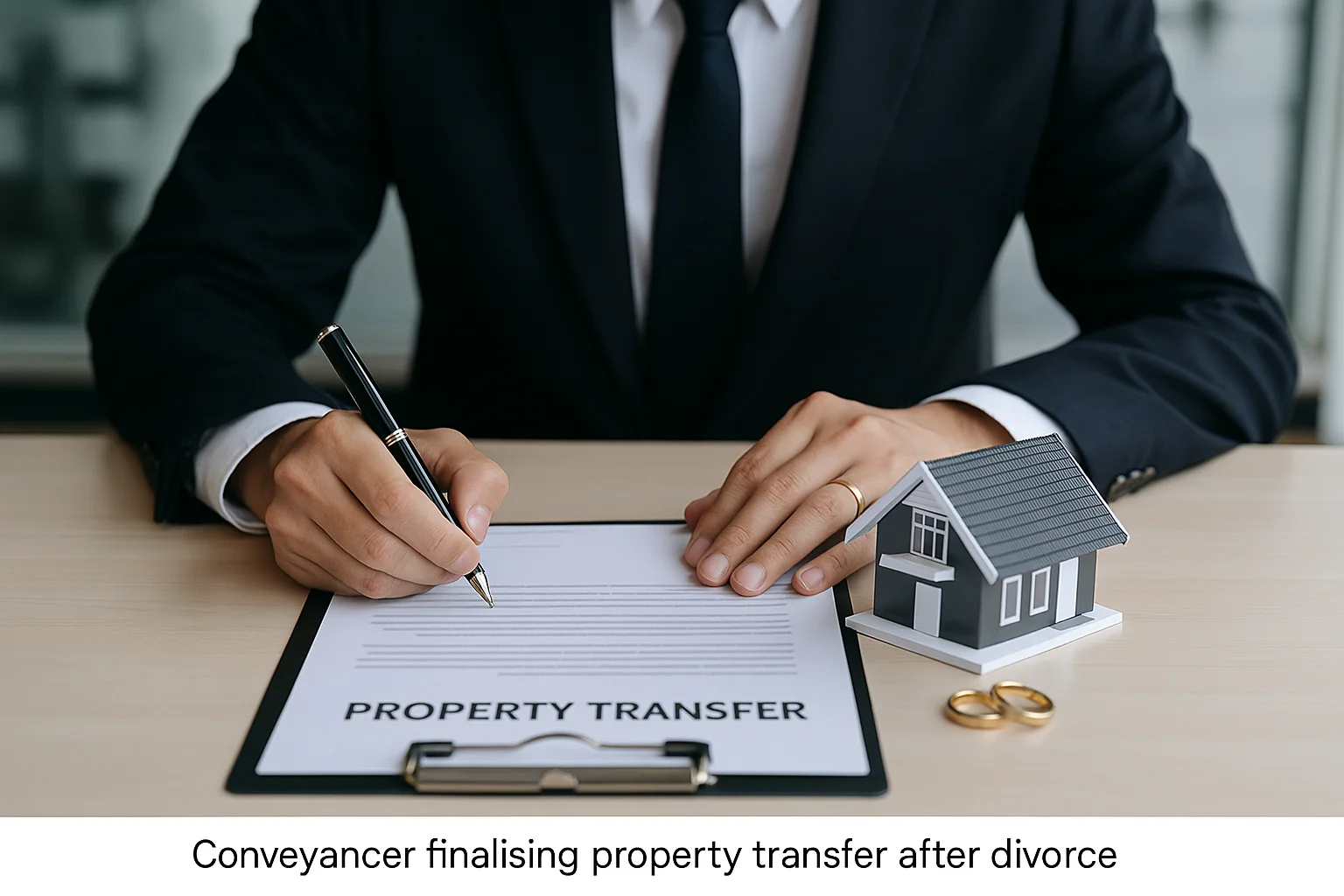
Property division depends on your matrimonial regime: in community of property, accrued in community, or out of community of property with or without accrual. Couples who agree to an uncontested settlement should prepare a written agreement that lists assets, debts, and the proposed division. If the settlement requires transfer of immovable property, a conveyancer will handle the registration and tax/levy requirements.
Key points to consider:
- Pension funds: Special rules apply and transfers often require court or fund approval.
- Business interests: Valuation experts may be needed to determine fair splitting.
- Ante-nuptial contract: If present, your contract governs the estate and must be interpreted by specialists.
For conveyancing work after agreement, consult professional conveyancing attorneys to ensure title transfers are handled legally and tax implications (transfer duty, capital gains) are considered. See conveyancing services for more details on handling property after divorce.
What role do family lawyers, mediation and alternative dispute resolution play?
Family lawyers advise clients on legal rights, draft settlement agreements, prepare court documents, and represent clients in court when necessary. Mediation and other forms of alternative dispute resolution (ADR) help parties reach binding agreements without adversarial trials. Experienced mediators and family law practitioners in Durban and across South Africa emphasise mediation because it often preserves cooperative parenting relationships and reduces costs.
According to the Legal Practice Council and family law organisations, ADR processes can significantly reduce both time and legal fees in family disputes. When matters involve complex commercial, contract or estate considerations, coordination between family lawyers, contracts attorneys, and estate planning attorneys provides comprehensive protection for clients’ rights.
When does an uncontested divorce become contested?
An uncontested divorce becomes contested when one spouse withdraws consent, when disputes arise over concealed assets, when custody disputes escalate, or when allegations such as domestic violence are introduced. At that point the case will follow contested procedures: pleadings, discovery, possible expert reports, and a court trial where a judge determines unresolved issues.
If a matter becomes contested, it is essential to engage litigation attorneys quickly to protect your position and prepare evidence. Early intervention by a skilled attorney can sometimes return a case to an uncontested track through negotiation or court-assisted mediation.
How should you choose an attorney for an uncontested divorce in South Africa?
Choose a family lawyer with demonstrable experience in uncontested divorces, custody and maintenance matters, and property division. Look for clear pricing (fixed-fee options are common for uncontested matters), transparent communication, and a pragmatic approach that prioritises settlement. If your divorce involves property transfers or estate adjustments, select a firm that can coordinate conveyancing and estate planning services to avoid post-divorce complications.
Questions to ask prospective attorneys:
- Do you handle uncontested divorces regularly?
- Can you provide a fixed-fee package or cost estimate?
- How will you coordinate with conveyancers, mediators, or estate planners?
- What is your expected timeline with the local court?
For local assistance, consider speaking with a top family law attorney in Durban or a reputable firm that offers full-service support, from divorce and custody representation to conveyancing and estate planning. If you need immediate guidance, you can get legal advice from a qualified team.
What practical tips reduce delays and costs?
Plan, collate documents early, and be transparent about assets and debts. Use a lawyer experienced in uncontested divorces to draft clear settlement terms and include provisions for future disputes (e.g., dispute resolution clauses). Consider mediation early to settle residual issues, and coordinate property transfers with a conveyancer to avoid registration delays. Update wills and beneficiary nominations post-divorce to reflect your new circumstances.
For matters involving contracts, businesses or employment-related entanglements, specialist contract or corporate attorneys can advise on protecting business interests during a marital split. For help with estate consequences, consult an estate planning attorney to update wills and trusts quickly after the divorce.
Next steps and how to get help
If you and your spouse agree on the major divorce issues, gather IDs, your marriage certificate, financial statements and any ante-nuptial contract, and consult a family law specialist to prepare an uncontested divorce package. If property transfers are involved, speak to professional conveyancing attorneys to estimate timelines and costs. You can also consult litigators if you anticipate contested issues, or contact mediation services to expedite settlement.
For more information on related services such as conveyancing, estate planning or litigation support in Durban and across South Africa, these resources may help:
- Top family law attorney in Durban
- Conveyancing attorneys in Durban
- Estate planning attorney
- Litigation attorney
If you want to read about legal updates, see firm news and articles that break down complex family law topics in plain language. For personalised help, you can get legal advice to start your uncontested divorce with confidence.
Quick facts:
- According to Wikipedia, the Divorce Act (no. 70 of 1979) remains the governing statute for divorce in South Africa.
- According to the Department of Justice and Constitutional Development, irretrievable breakdown is the principal ground for divorce in South African courts.
- According to legal practice guidance, alternative dispute resolution and mediation are effective ways to reduce court time and litigation costs in family law disputes.
